 Family Portal
  Employees
  Portuguese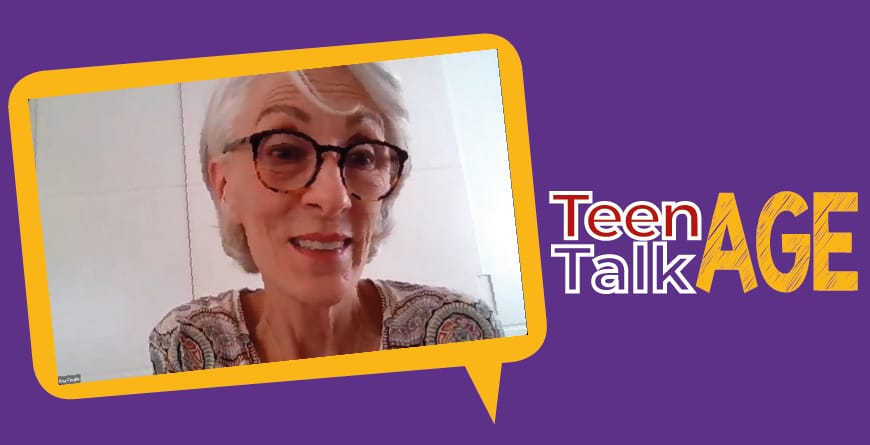
03.11.2021
by Lais Carvalho
The second TeenAge Talk of the semester was focused on Models of Protection in Adolescence, the risky behaviors they may see themselves in, and, therefore, how to help them.
Physician Ana Cecília Marques is a psychiatrist, PhD in Neurosciences from UNIFESP and specialist in Public Health and Mental Health from UNESP. Ana Cecília works at the Brazilian Association for the Study of Alcohol and Other Drugs and at the Brazilian Association of Psychiatry. She coordinates a Municipal Drug Policy Program and works on projects to prevent risky behavior in public and private schools.
The physician started the conversation by pointing out that in adolescence (from 12 years old), a new window of opportunities opens for the development of the brain and for the formation of neural networks. The development, however, does not end before the age of 22/23. Families, schools, and society cannot waste the chance to protect young people in this process, given that the young brain does not have the autonomy to make critical assessments.
It is also during adolescence that they can develop from small syndromes to major disorders. Young people need to rely on their families to be protected, to have a healthy diet, enough sleep, and limits.
Ana Cecília also addressed the pressure from the school group matter and how the mutual support of families in this process is fundamental. Open and frank conversations without judgment about values may be helpful. Speeches like: “There’s going to be a party at your place. Are you going to offer alcoholic beverage?” and even conversations about the post-event: “My daughter’s behavior was very strange when she arrived. What about yours?”, are examples of possible collaborative dialogues.
Adolescents are part of a united and organized group, and families can and should join forces, as this is the only way they will be able to understand and help their children. Punishment must be set aside, and teenagers need to be sure that they will be able to count on their guardians to help them when there is a problem.
After talking to the families, Ana Cecília also spoke with 8th-grade and 9th-grade students (Y8 and Y9). She broke down some stigmas about how bad some legal drugs can be, their components, and consequences, and also made the teenagers reflect about whom and how to ask for help.

27.07.2026
Beacon School Specialist Featured by Educational News Portal for Sharing Tips on Preserving Childhood in a Hyperconnected World
Fernanda Freitas, Pedagogical Coordinator at Beacon School, was featured in an article by th [ ... ]
16.07.2026
Beacon School MYP Coordinator Featured in Estadão/TerraArticle on Schools as Community Hubs
Felipe Pregnolatto, Middle Years Programme (MYP) Coordinator at Beacon School, was one of th [ ... ]
08.07.2026
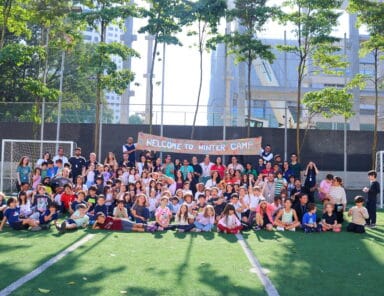
Winter Camp 2026 Brings Together Fun, Creativity, and Meaningful Connections
Throughout the past week, Winter Camp 2026 brought students together for a diverse program t [ ... ]